
Quick Answer
Company uniforms can support morale and culture when employees understand the purpose, receive comfortable and appropriate garments, have workable fit choices and see the policy applied fairly. A uniform can create a visible team identity, simplify daily clothing decisions and help customers recognize employees. It cannot create a healthy culture by itself. Leadership behavior, working conditions, communication and employee respect remain more important than the apparel.
Key Takeaways
- Explain how the uniform supports the customer experience, safety, identification or company identity.
- Include representative employees in fit, comfort and product testing before rollout.
- Offer appropriate cuts, sizes, layers and role-specific options rather than treating every employee identically.
- Use recognition, onboarding and communication to connect the uniform to the company's values.
Can uniforms improve morale and company culture?
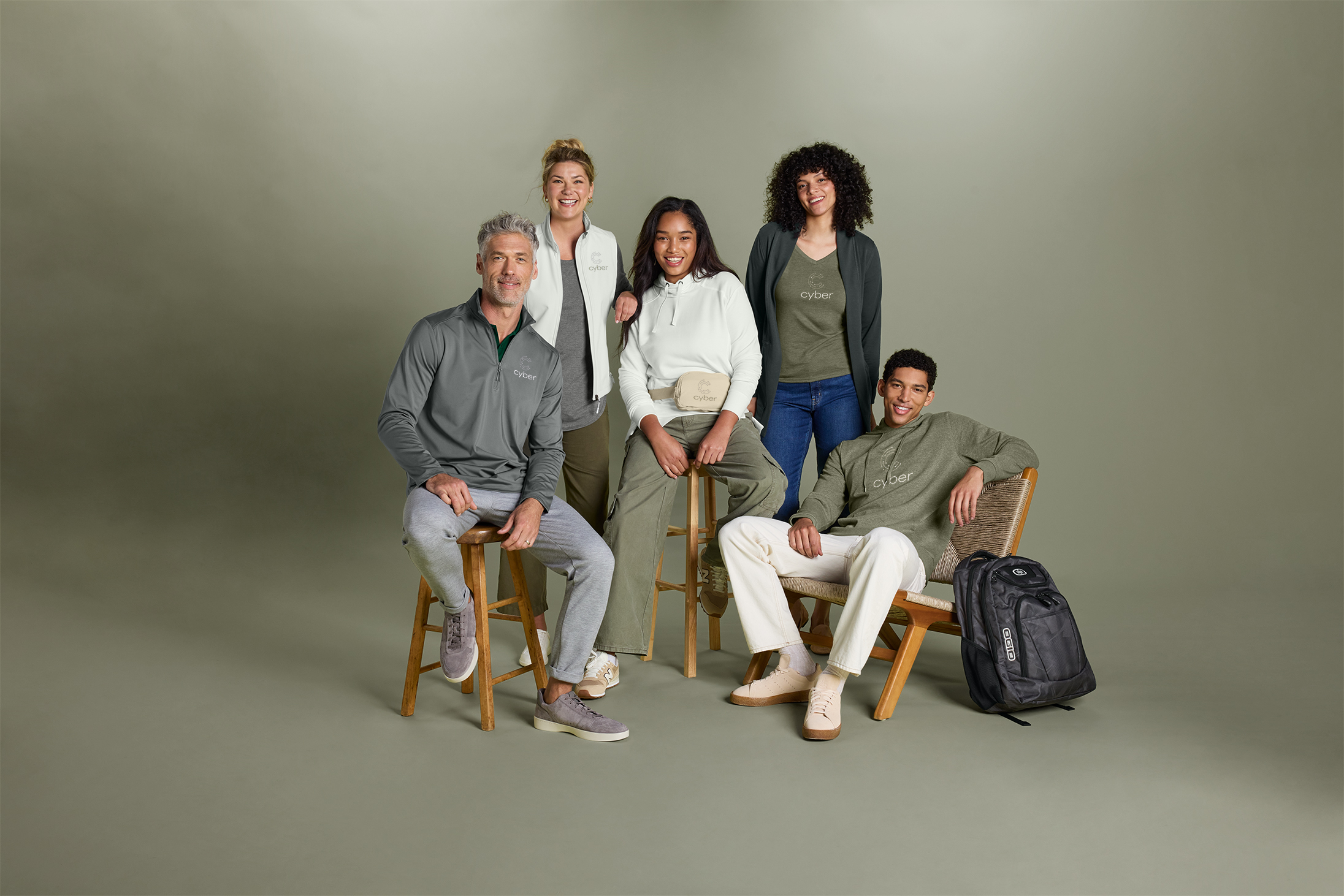
Uniforms can become a visible symbol of membership in a team, but employees experience the program through its daily details. A garment that fits well, performs properly and is issued through a fair process can support pride and consistency. A poorly planned policy can have the opposite effect.
Business leaders should therefore treat the uniform as one part of the employee experience. AUW helps organizations compare fits, functions, branding and ordering methods so the apparel standard can support the company's intended culture rather than becoming a source of friction.
How do uniforms create shared workplace expectations?
A clear uniform standard reduces uncertainty about what is appropriate and can help employees present a coordinated image to customers. It may also make roles easier to identify and allow new employees to feel visibly integrated into the team more quickly.
Connect the garment to a real business purpose
Employees are more likely to understand a uniform requirement when leaders explain the operational reason: customer identification, brand consistency, food-service presentation, jobsite function, security or a professional client experience.
- Team identity: Coordinated apparel can provide a visible sign that employees represent the same organization.
- Clarity: A defined assortment reduces subjective interpretation of a general dress code.
- Customer recognition: Consistent branded apparel helps customers identify employees who can assist them.
What makes a uniform program feel fair and inclusive?
Programs should provide realistic sizes and cuts, appropriate coverage, climate and layering options, pregnancy or changing-body accommodations and a respectful process for disability, religious or other legitimate needs. Employees performing different jobs may need coordinated rather than identical apparel.
Decision Guide
| Area | Recommended approach | Important consideration |
|---|---|---|
| Fit and size access | Offer multiple cuts and an appropriate size range | Reduces discomfort and unequal presentation |
| Role requirements | Match garments to movement, climate and customer contact | Avoids making appearance more important than job performance |
| Employee cost | Explain company-issued quantities, allowances and replacement rules | Supports transparency and reduces resentment |
| Feedback and exchanges | Provide a private, practical way to correct fit or function problems | Protects dignity and improves adoption |
How to use uniforms as a culture-setting tool
- Explain the purpose: Connect the program to customer service, safety, team identity or professional standards.
- Invite representative input: Use employee feedback during product, fit and wear testing without turning every decision into an open-ended vote.
- Launch through onboarding: Teach new employees how to wear, care for and reorder the approved garments.
- Recognize the people behind the brand: Pair the uniform standard with leadership, appreciation, communication and development practices that create the actual culture.
Sources and Additional Information
Common Questions
Frequently Asked Questions About How Company Uniforms Can Support Morale, Culture and Professionalism
Do uniforms automatically improve employee morale?
No. They can support identity and clarity, but morale depends primarily on leadership, fairness, working conditions, communication and respect.
Should employees help choose the company uniform?
Representative input is valuable for fit, comfort and function. Final brand and operational decisions should remain controlled so the assortment stays manageable.
Can uniforms feel too formal for a modern company?
Yes, if the style conflicts with the brand or work environment. Modern programs can use refined polos, performance apparel, overshirts, jackets or other coordinated pieces instead of traditional formal uniforms.
Use the uniform to reinforce culture—not replace it
A thoughtful uniform program can make the team easier to recognize, simplify expectations and give employees a shared visual identity. Its cultural value depends on comfortable products, fair administration, employee dignity and leadership that consistently delivers the values represented by the logo.
