Quick Answer
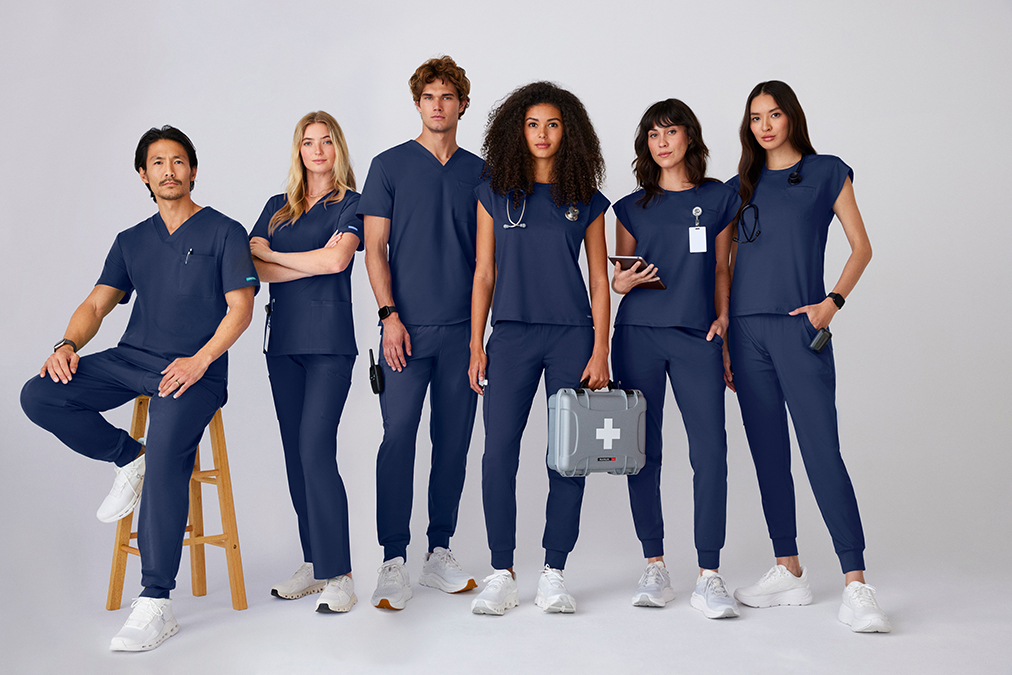
Choose medical scrubs by starting with the employer's dress code, then evaluating fit through real work movements, fabric performance, pocket layout, care requirements and replacement availability. The best scrub is not simply the softest or most fashionable option. It should remain comfortable through a full shift, allow safe movement, support the wearer's daily tools and be easy to reorder in approved colors and styles.
Key Takeaways
- Confirm the required color, logo, credentials and garment type before comparing styles.
- Test fit while sitting, reaching, bending and walking—not only while standing in front of a mirror.
- Select fabric based on comfort, stretch, care instructions, durability and the clinical environment.
- For group programs, prioritize dependable replenishment, size coverage and consistent embroidery.
Why choosing the right medical scrubs matters
Medical scrubs are working garments. Nurses and other healthcare professionals may bend, reach, transfer supplies, move quickly between rooms and spend long periods standing or walking. A scrub set that looks acceptable on a hanger can become restrictive, distracting or impractical during a shift.
All Uniform Wear helps individual healthcare professionals compare scrub brands and fit in person, while also supporting medical practices that need coordinated colors, embroidery and repeat ordering. The selection process should therefore address both the wearer's experience and the organization's need for consistency.
How should medical scrubs fit?
Medical scrubs should provide enough room for unrestricted movement without appearing oversized or creating loose fabric that interferes with work. Fit preferences vary, but shoulder mobility, rise, inseam, waistband security and garment length are practical checkpoints for nearly every wearer.
Use a movement-based fitting test
Try the top and pant together with the undershirt, footwear and typical pocket contents used at work. Sizes can vary by brand and collection, so the size printed on the label should be treated as a starting point rather than a guarantee.
- Upper-body movement: Reach forward and overhead. The top should not pull tightly across the shoulders or expose the waist.
- Lower-body movement: Sit, squat and climb a step. The rise and thigh should remain comfortable without excessive sagging.
- Length and coverage: Check sleeve, top, inseam and jogger-cuff placement while moving, not only while standing.
Which scrub fabric is best for long shifts?
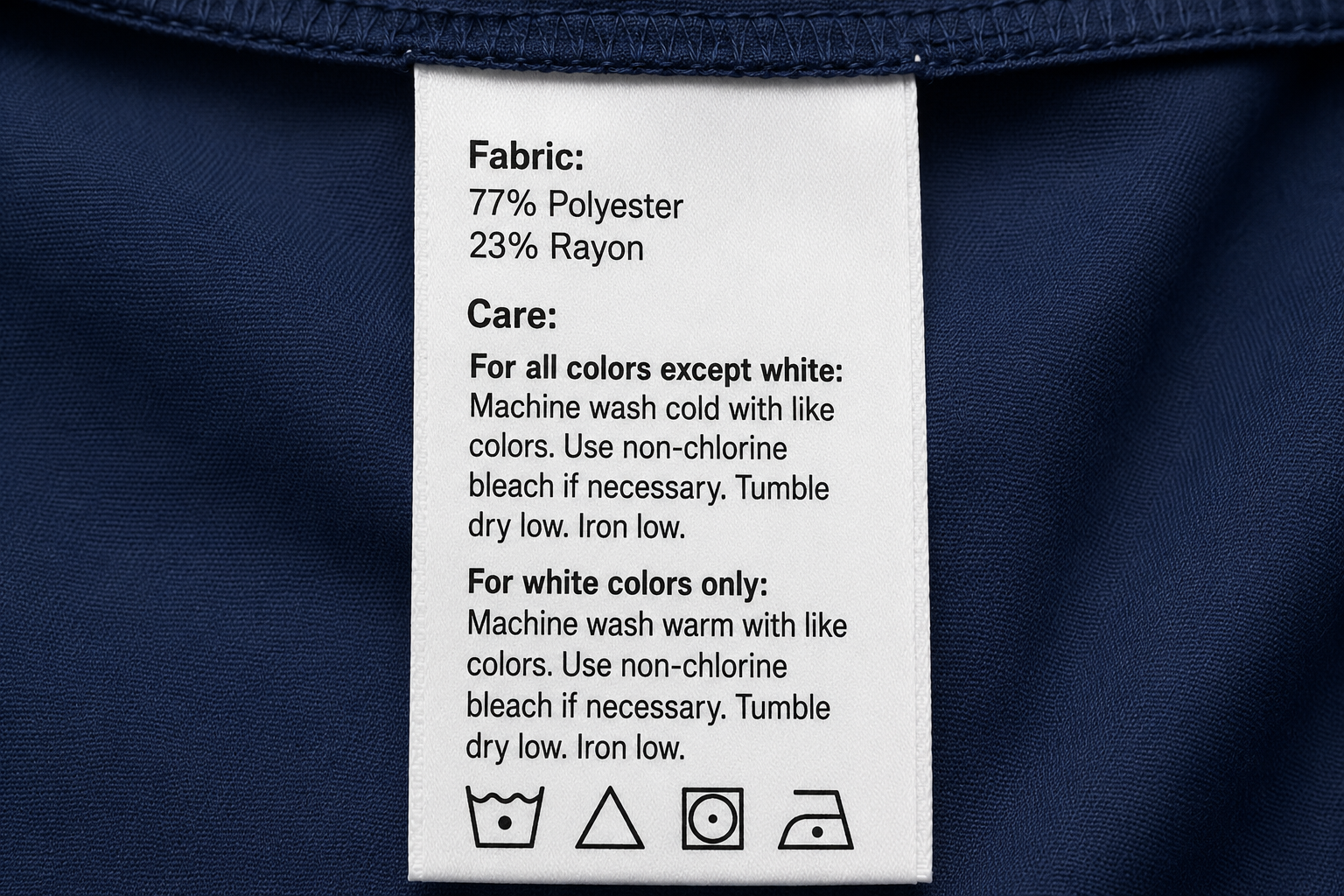
There is no single best scrub fabric for every setting. Polyester-rich blends often support durability, color retention and easier care. Rayon can add softness and drape. Spandex or another stretch fiber can improve mobility. Cotton may feel familiar and breathable but can wrinkle, shrink or dry differently depending on the blend. Always follow the garment manufacturer's care label.
Decision Comparison
| Option or situation | Best use or action | Important consideration |
|---|---|---|
| Stretch blend | Mobility, fitted silhouettes and active work | Confirm recovery after repeated wear and washing |
| Polyester-rich blend | Durability, color consistency and easier care | Evaluate breathability and hand feel |
| Cotton-rich blend | Natural feel and familiar comfort | Check shrinkage, drying time and wrinkle tendency |
| Fluid-resistant finish | Selected roles or environments where offered | A finish does not automatically make ordinary scrubs PPE |
How to select a scrub set step by step
- Confirm policy: Document the approved color, garment types, logo placement, credentials and any department-specific rules.
- Identify work needs: List the tools carried, movement required, temperature conditions and laundering routine.
- Fit-test complete sets: Try tops and pants together and perform realistic work movements in more than one size or cut.
- Plan replacements: Choose products that can be reordered and keep the style, color and embroidery information on file.
Sources and Additional Information
This resource provides general uniform-planning information. Healthcare organizations and employees should follow their own infection-control, safety, human-resources and professional-practice requirements.
Common Questions
Frequently Asked Questions About Choosing Medical Scrubs
Should medical scrubs fit tightly?
No. Scrubs may have a modern or tailored shape, but they should not restrict movement, pull across stress points or reduce appropriate coverage during normal work activities.
How many pockets should scrubs have?
The right number depends on the role. Carrying too much can weigh down a garment, while too few pockets can make essential tools inconvenient. Match pocket placement to the items used most often.
Are ordinary scrubs considered personal protective equipment?
Usually not. OSHA has explained that uniforms or scrubs worn like ordinary clothing are generally not intended to be PPE. Employers must separately assess hazards and provide required protective equipment.
Choose scrubs for the work, not only the fitting room
The strongest scrub choice combines policy compliance, comfortable movement, practical storage, manageable care and dependable availability. Individual nurses should test complete outfits under realistic movements. Medical-group buyers should also evaluate size range, replenishment and embroidery consistency before standardizing a collection.